
Éponine’s Unreturned Love
Les MisérablesThis thread traces Éponine’s devotion to Marius as she helps him reach Cosette despite knowing he cannot return her feelings.
increasing Bearing strength in each event
 decreasing
Bearing strength in each eventdecreasingThe Innkeeper’s Daughter
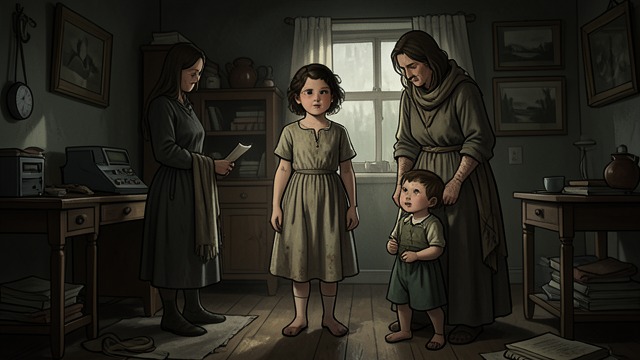
The Innkeeper’s Daughter
A favored childhood
Éponine grows up as one of the Thénardiers’ favored daughters while Cosette is treated as a servant. The contrast teaches her early that comfort and status can depend on family position.
As the household declines, the protection she once enjoyed disappears. Her childhood changes from relative privilege to poverty and instability.
A different kind of neglect
Her parents’ affection does not prepare her for hardship or provide lasting security. She becomes part of a family whose survival increasingly depends on exploitation and crime.
That background makes her later generosity to Marius striking: she has learned to take, but chooses to give.
A Love Kept Unspoken
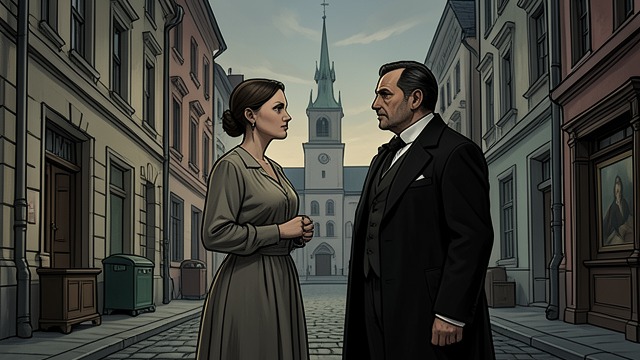
A Love Kept Unspoken
An unequal attachment
Éponine loves Marius, who thinks of her chiefly as a poor acquaintance and then as a guide. She recognizes that he is devoted to another woman.
Her knowledge of his feelings makes every act of assistance painful. She helps him without expecting that his gratitude will become love.
Choosing his happiness
Éponine gives Marius the address that will lead him back to Cosette. She refuses the money he offers and asks him instead to be happy.
The gesture reveals a loyalty that is not possessive. She sacrifices a possible claim on his attention to help him reach the woman he loves.
The Disguise at the Barricade
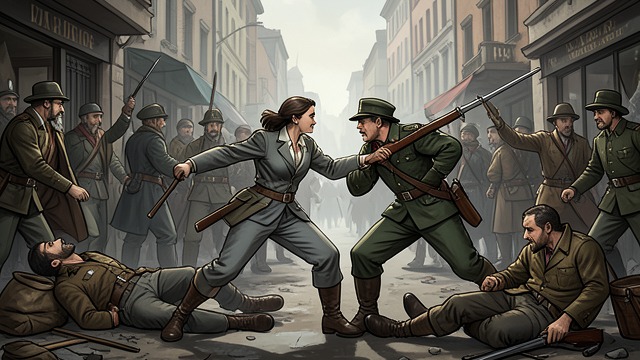
The Disguise at the Barricade
Entering the danger
Éponine appears in men’s clothing during the June fighting. She is present in a world of political violence that has taken over the streets.
Her disguise lets her move where a young woman might otherwise be barred. It also brings her close to the danger facing Marius.
A protective act
Éponine takes a bullet while preventing a soldier from shooting Marius. Her action saves the man she loves, though it leaves her mortally wounded.
The choice gives her story a devastating shape: the person she protects is not the person who can fulfill her longing.
A Last Conversation
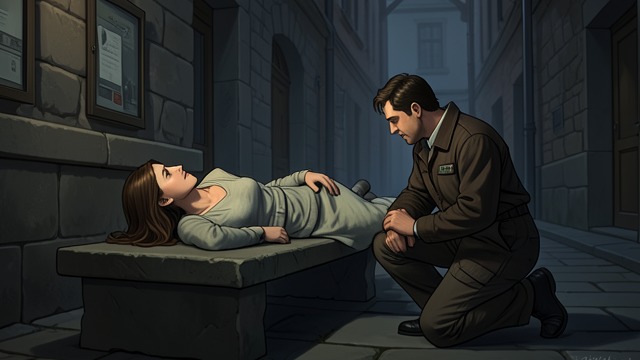
A Last Conversation
Recognition at the end
Marius finds Éponine dying and tries to carry her to safety. She tells him that the wound is fatal and asks him to sit beside her.
For a brief moment, she receives the closeness she has long wanted, though it comes only at the edge of death. She asks whether he once found her ugly.
The confession and letter
Éponine gives Marius the letter from Cosette that she had withheld. She asks him to kiss her forehead after she dies and admits that she was a little in love with him.
Marius keeps his promise. Her final act restores the lovers’ chance of reunion while making clear the personal cost of her devotion.
The Brother Left Behind
The Brother Left Behind
A brief family tie
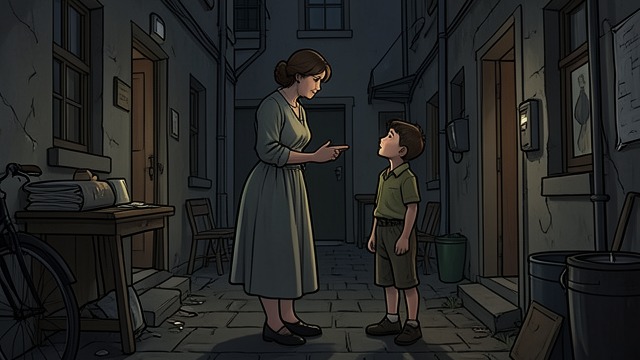
Éponine identifies Little Gavroche as her brother while speaking with Marius. Their family has not given them the warmth or security that a conventional household promises.
Her concern that he should not see her dying is one of the last signs of sibling tenderness in her story. She remains attentive to someone even as she faces her own death.
Diverging fates
Little Gavroche continues fighting and is killed while gathering ammunition. Éponine dies after protecting Marius, and neither sibling survives the uprising.
Their separate deaths reveal the vulnerability of children and young people caught in adult poverty and political conflict.
Childhood, at Montfermeil
During Marius’s courtship of Cosette
June 5, 1832, near the barricade
June 5, 1832, after she is shot
June 1832, during the barricade fighting
